
Together We Weather: Children and Adults Imagining Resilience
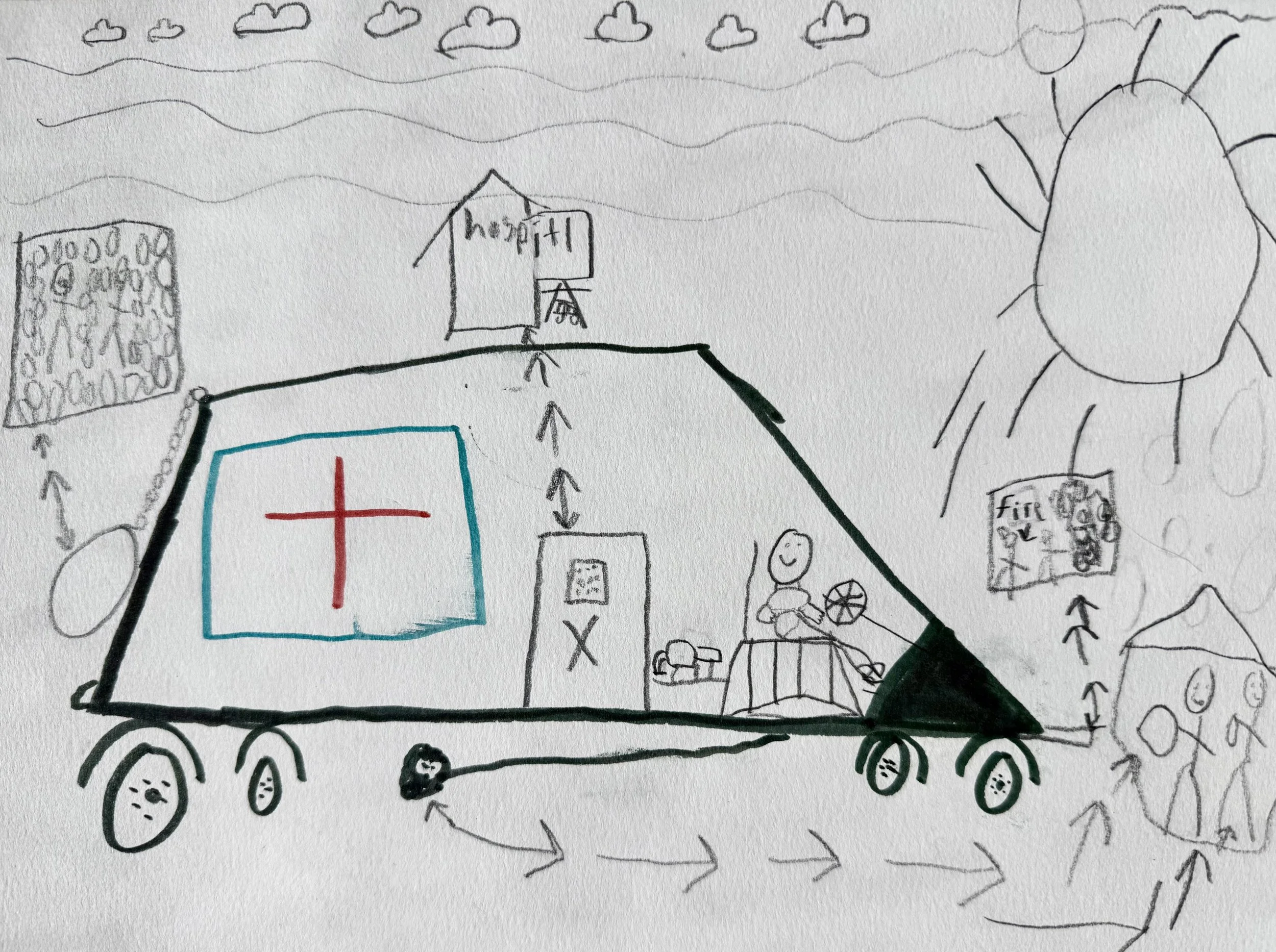
I became a disaster researcher by first being a mother. For children growing up in Colorado, disasters are not distant stories or cinematic scenes. They are part of the backdrop of an ordinary childhood. A conversation about a hailstorm can happen on the drive to school. Wildfire smoke can change the view from the playground. A severe weather warning can interrupt dinner. Children notice these things. They listen to adults talk. They notice what happens when a neighbor needs help. Watching my own children move through these moments made me curious about what they might do if given the opportunity to imagine themselves as helpers. We teach them how to get out, where to go, and what to pack. We talk about protecting them because they are vulnerable. We call them the future of resilience. But somewhere between those ideas, I began to wonder what children themselves think they can contribute. That question became the starting point for my Georgetown University capstone. I wanted to understand how Generation Alpha children, ages 7 to 14, imagined helping their Northern Colorado communities during an emergency or disaster, and how adults might shape opportunities for their voices to be part of those conversations. So I created a space that looked less like a traditional research setting and more like an invitation to imagine. In small groups, children talked through open-ended questions, created art, and participated in a hands-on activity. They could draw an idea rather than explain it. They could build on something another child said. They could follow an idea wherever their imagination took them. I wanted to discover what might emerge when children were given permission to think about themselves not only as people who need help, but as people who might have something to offer.
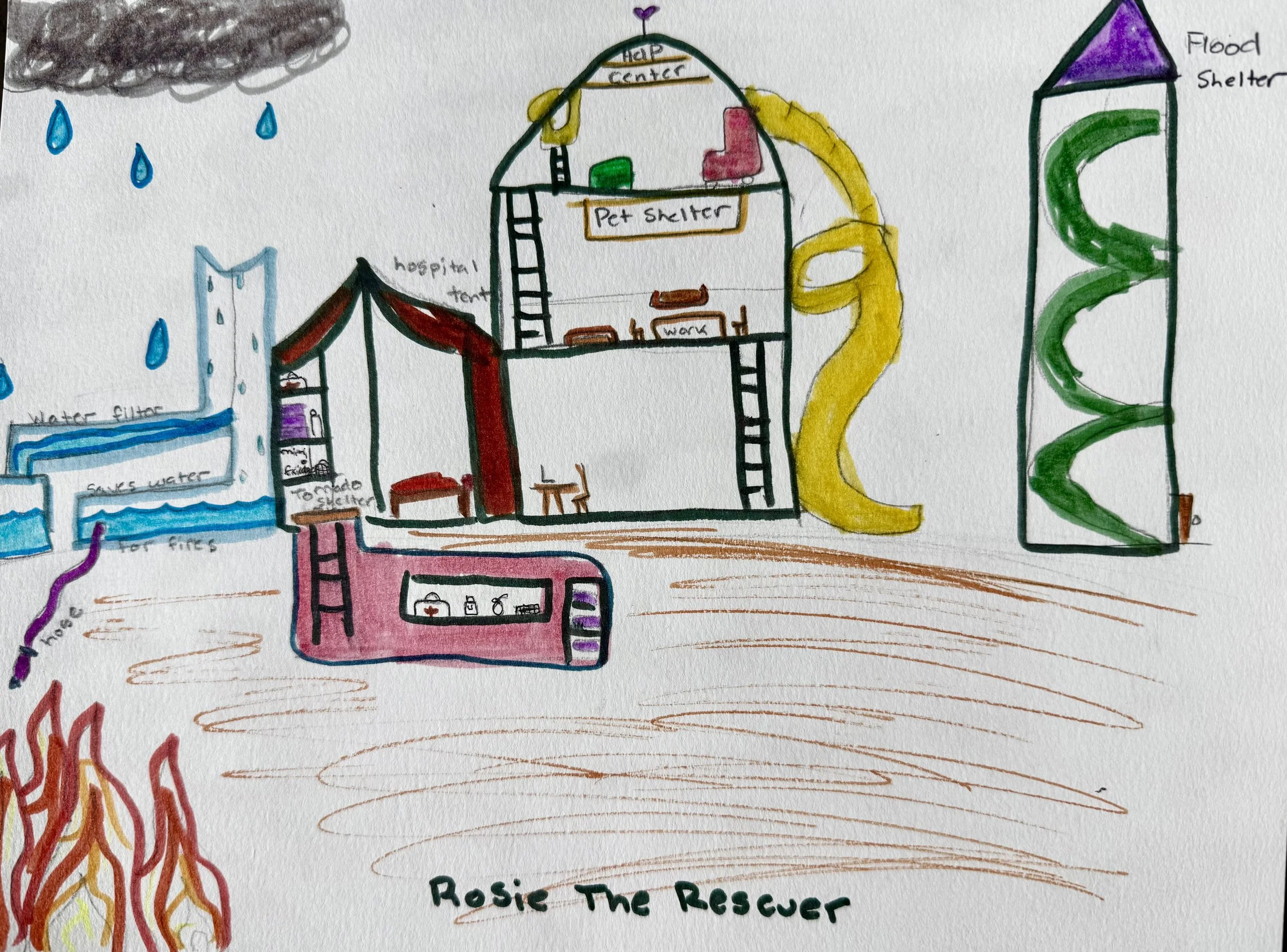
What emerged was not a child's version of an emergency operations plan. It was a picture of community. The children talked about checking on someone who was alone or helping another person feel less afraid. They imagined sharing food, using music and art, and finding ways to bring hope into a difficult moment. When I asked them to put their ideas on paper, I expected the storm to appear. Instead, there was sunshine. Gardens. Butterflies. Smiling faces. One child imagined a buddy bench. Another imagined a place where people could share food. A hospital appeared beneath a bright blue sky. Their drawings moved beyond individual acts of care toward places and systems that could support many people at once. They were thinking not only about what could be given, but about how help could reach others. Again and again, the children drew what happens after the emergency, when the immediate danger has passed but a community is still finding its footing. Their ideas seemed to circle back to the same question. What could we do for one another now? I paired these conversations with perspectives from adults across Northern Colorado who help shape children's lives and community preparedness, including parents, educators, faith-based leaders, youth-serving organizations, nonprofit leaders and emergency management professionals. Listening to both groups changed how I understood participation. Children's participation is not something adults simply decide to include. It is something that can take shape when generations listen to one another and build the conditions for ideas to grow. Children bring perspectives adults may not anticipate. Adults bring the experience and context to help those ideas find their place. Somewhere in that exchange, a child's imagination can spark a community conversation.
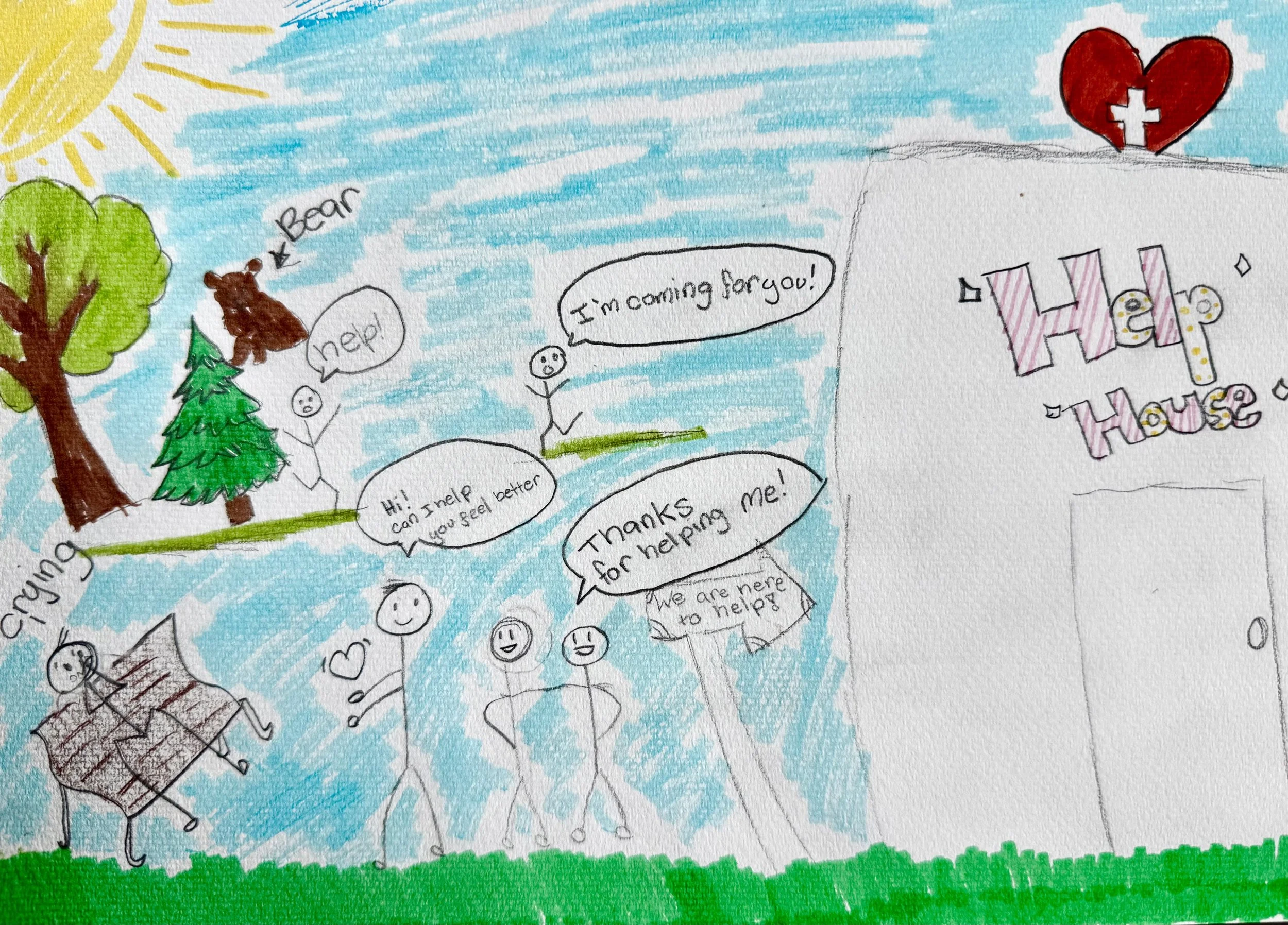
That realization has changed the question I want to carry forward. If these are the children who will one day inherit the responsibility of caring for their communities, what might we discover by listening to how they imagine that future now? Perhaps resilience is not only something we prepare the next generation to carry. Perhaps it is something we begin building with them, one idea at a time. Imagine what might happen if a child's drawing could become the beginning of a conversation around a planning table. If an idea that first sounded simple could inspire a new way to bring comfort, connection or hope to a neighborhood after a disaster. If adults and children could sit together, not because children are expected to solve the problem, but because every generation sees something the others may not. That is the possibility I see in this research, and it is the possibility I hope to keep exploring through my work with the United Nations Association of Boulder. When we create space for children to participate alongside the adults who guide and support them, we may discover that their ideas are not simply hopeful thoughts about the future. They are starting points for how communities might care for one another today. Together, we weather.
Link to My Capstone Paper
https://repository.digital.georgetown.edu/handle/10822/1108025
