Our Blog

Blog Categories:

Why humanitarian issues require more than Aid: the role of law, policy, and community

Why humanitarian issues require more than Aid: the role of law, policy, and community

The role of law in humanitarian action  

The number of armed conflicts across the world is on the rise, in addition to them lasting longer, becoming harder to resolve, and becoming increasingly deadly for innocent civilians forced to bear the consequences of such conflicts. Global divisions also seem to be deepening, worsening the stability and safety of countries already facing deadly conflicts. Ending and preventing such conflicts will require investment in international cooperation initiatives, conflict resolution, and additional measures to resolve disputes.  

With that, humanitarian efforts must also consider the role of law. Identifying legal protections is central to ensuring that individuals affected by crises have their rights protected. International humanitarian law establishes rules designed to reduce suffering during armed conflicts and protect innocent civilians.  

Organizations such as the International Committee of the Red Cross (ICRC) have demonstrated the connection between humanitarian aid initiatives and legal protections. Humanitarian responses should not only focus on delivering assistance, but also on protecting people, upholding humanitarian principles, and creating conditions that support peace and stability.  

The importance of effective policy  

Policies determine whether communities can recover in the long term.  

Policies that improve access to education, healthcare, employment, opportunities, affordable housing, and refugee integration programs help communities move beyond crisis response. These policies create opportunities for individuals to rebuild their lives while strengthening the communities that receive them.  

Governments and organizations must work together to develop initiatives that prevent crises and provide humanitarian aid. While humanitarian aid provides immediate relief, effective policies help communities move toward long-term recovery. Policies that support education, healthcare, employment, and housing in vulnerable communities can determine whether individuals affected by crises can rebuild their lives and become active members of their communities.  

For example, displaced populations and refugees require more than relocation and access to resources; they need legal support and opportunities that allow individuals and families to establish stability in their new communities.  

The significance of community engagement  

Sustainable change requires local involvement.  

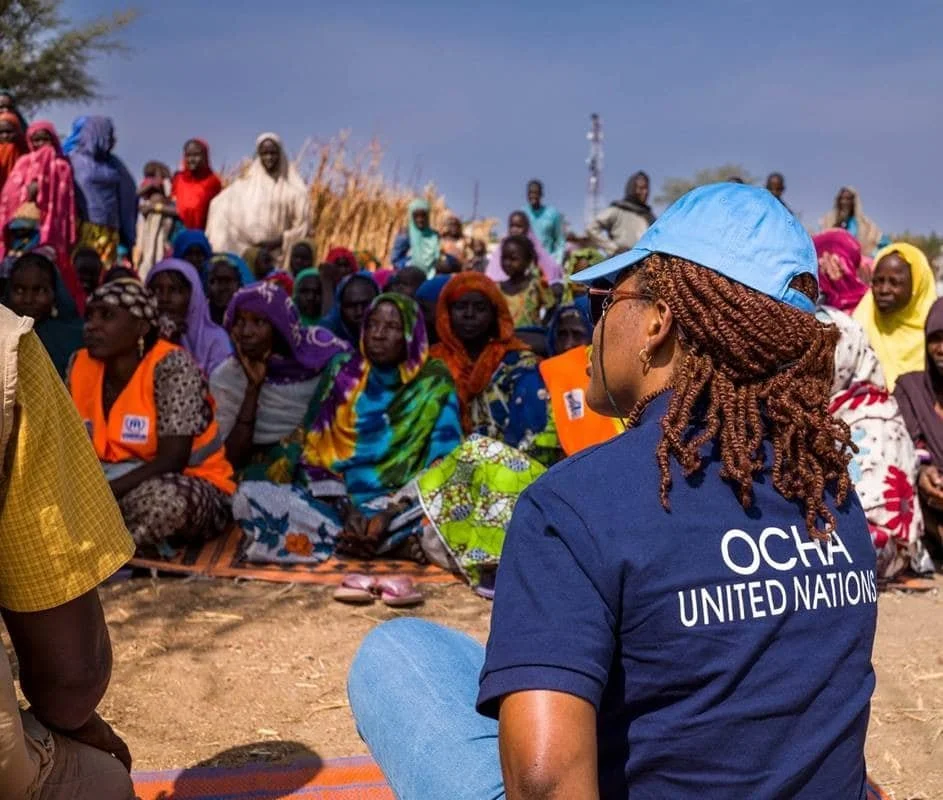
Although international organizations and governments play a significant role in humanitarian efforts, community involvement remains central to creating meaningful change. Local organizations can make more effective contributions because they have a deeper understanding of the needs and experiences of the populations they serve.  

Community involvement would help ensure that humanitarian responses are based on respect and inclusion by creating partnerships between organizations, volunteers, and community members. Humanitarian efforts can become more effective and sustainable.  

As a recent intern at the UNA, I have begun exploring how local communities contribute to addressing global humanitarian challenges. This experience has reinforced my understanding that meaningful humanitarian work depends not only on international organizations but also on partnerships with local communities that understand the unique needs of the people they serve  

Moving beyond crisis response  

With the rising complexity of humanitarian challenges, no single approach will be effective in finding lasting solutions. While aid remains critical to humanitarian responses, lasting solutions require legal protections, effective policies, and strong community efforts.  

As global challenges continue to arise, cooperation between governments, international organizations, and communities will be essential in protecting vulnerable populations and creating a more inclusive future. Addressing humanitarian issues is not only about responding to crises but about establishing systems that protect the dignity of the populations being helped, promote stability, and support long-term change.

Read More