More Than a Destination: What Bolivia Taught Me About Global Citizenship By: Gabriella de la Torre
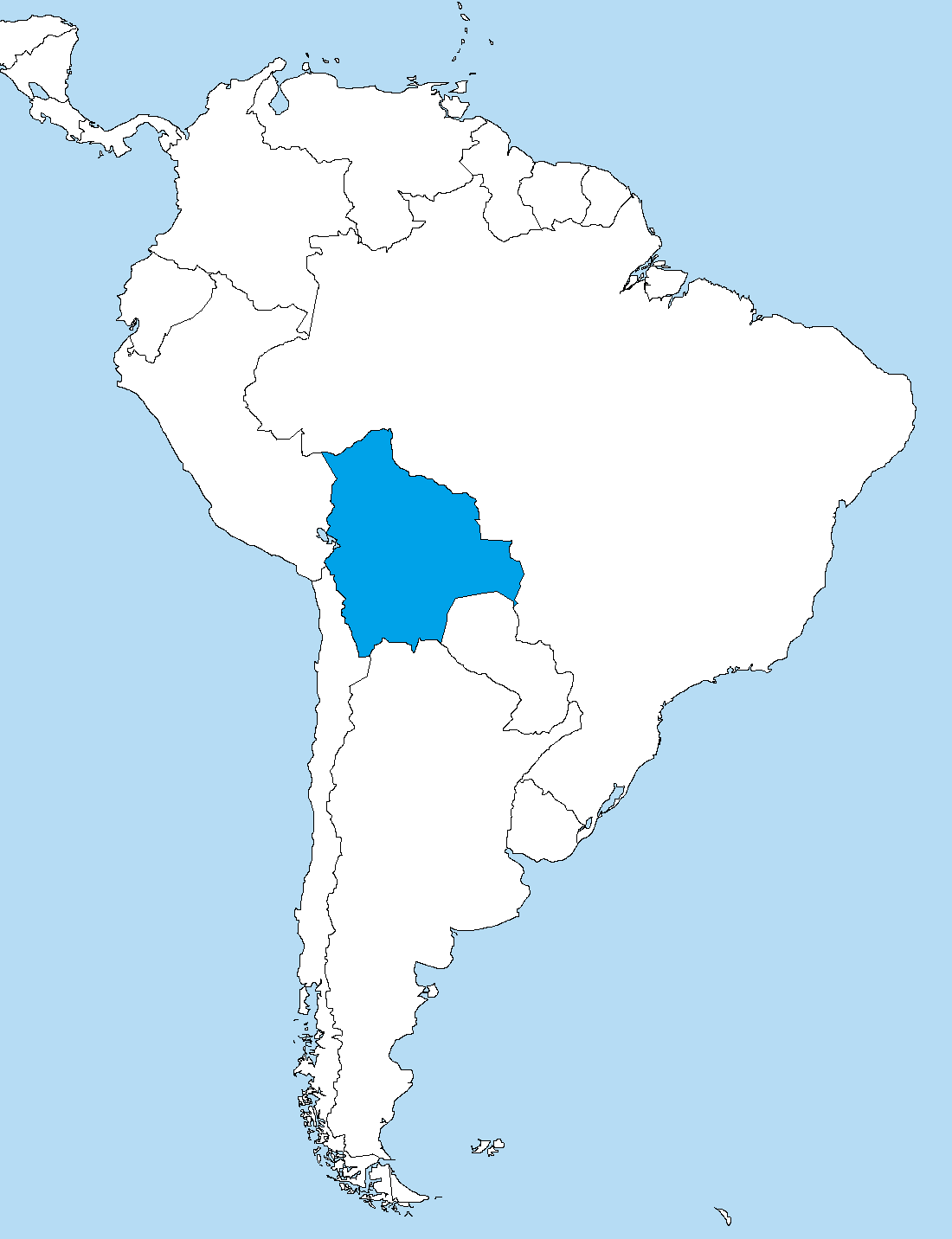
“Where is Bolivia?”
This is a question that I’ve been asked more times that I can count. Growing up in Colorado with a Bolivian family, I realized that a lot of people knew very little about the country that shaped so much of who I am.
It was where I spent time with my family, listened to stories from them, explored crazy markets, and learned that life can look very different depending on where you are born. Those experiences taught me that global issues are never just headlines, but they affect real families, communities, and futures.
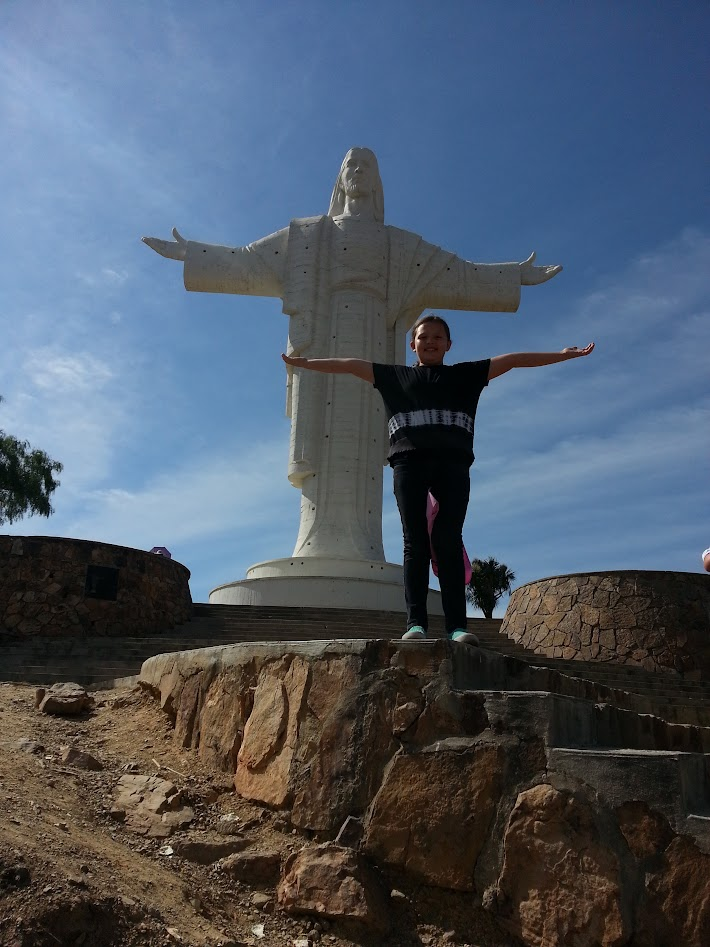
As I’ve gotten older, I’ve come to appreciate Bolivia in ways I never could as a kid. I still love its beautiful landscapes and culture, but I’ve also realized that Bolivia faces a lot of humanitarian and development challenges that almost always go unnoticed.
One of the biggest issues is climate change. Rising temperatures are increasing the melting of the Andean glaciers that supply drinking water to cities like La Paz and El Alto, causing millions of people to face water shortages. Many rural communities still struggle to access healthcare, education, and good job opportunities. Indigenous communities are working hard to preserve their cultures and the natural resources they have cared for over many generations.
At the same time, Bolivia has one of the world's largest supplies of lithium, a mineral that is essential to electric vehicles, renewable energy, and the shift to cleaner energy. This could create new opportunities for the country's economy, but it also brings up important questions. Bolivia has to find ways to develop these resources while protecting the environment, respecting Indigenous communities, and making sure local communities benefit from the resources on their land. Organizations within the United Nations, including the United Nations Development Programme, work with the Bolivian government and local communities to support projects that encourage economic growth while also protecting the environment and improving people’s quality of life.
Although these challenges may seem distant, they are more connected to Colorado than many people realize. Colorado is investing heavily in renewable energy, electric vehicles, and climate resilience. The batteries that help power this transition rely on minerals sourced from countries like Bolivia. At the same time, Colorado communities understand the importance of managing limited water resources as changing climate patterns continue to affect snowpack and water availability across the Rocky Mountains. These shared challenges remind us that smart decisions made in one part of the world can trigger benefits in communities thousands of miles away.
Traveling to Bolivia throughout my life has also changed how I think about humanitarian work. I have seen the strength of communities that support one another through economic hardship and environmental challenges. That perspective has shaped both my academic interests in International Affairs and my appreciation for organizations like the United Nations, which look to bring governments and local communities together to address shared global challenges. Humanitarian work is not simply about responding to crises, but also about building resilience and respecting the voices of people most directly affected.
For me, Bolivia will always be more than the place my family calls home. It is where I learned that global issues become personal when you know the people living them. It is also a reminder that each of us have a role to play in building a more connected and compassionate world. Whether by learning about another culture, supporting sustainable development, or engaging with organizations like the United Nations Association, we all have opportunities to strengthen the connections between our local communities and the wider world.
Resources:
https://climatepromise.undp.org/what-we-do/where-we-work/bolivia
https://rolhr.undp.org/annualreport/2024/impact/latin-america-caribbean/bolivia