
The Overfishing Crisis of the Sea Cucumber
The United Nations Sustainable Development Goal 14: “Conserve and sustainably use the oceans, seas and marine resources for sustainable development”
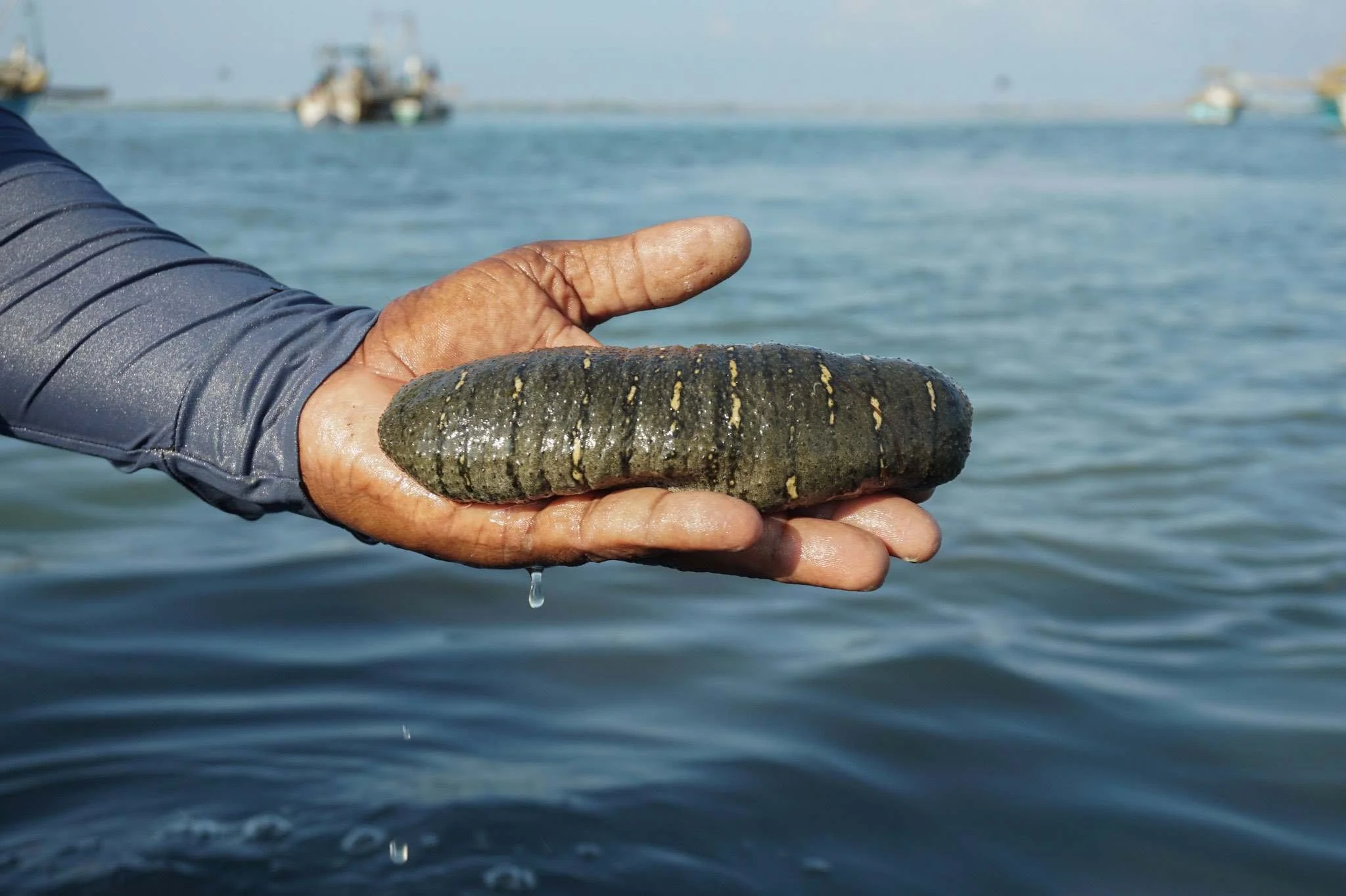
Sea cucumbers are an often overlooked marine animal. They help vacuum and redistribute sand, protect coral reefs, recycle nutrients, and filter water. They also support the health of other organisms in the ecosystem, such as emperor shrimp, pearl fish, and especially coral reefs, as the cucumber contributes to reef health and fertilization. However, mass overfishing and the black market surrounding this integral creature have led to a shift in and out of water. The keystone species and their high demand in luxury food markets have introduced challenges for sustainable development, illegal trafficking, and international cooperation.
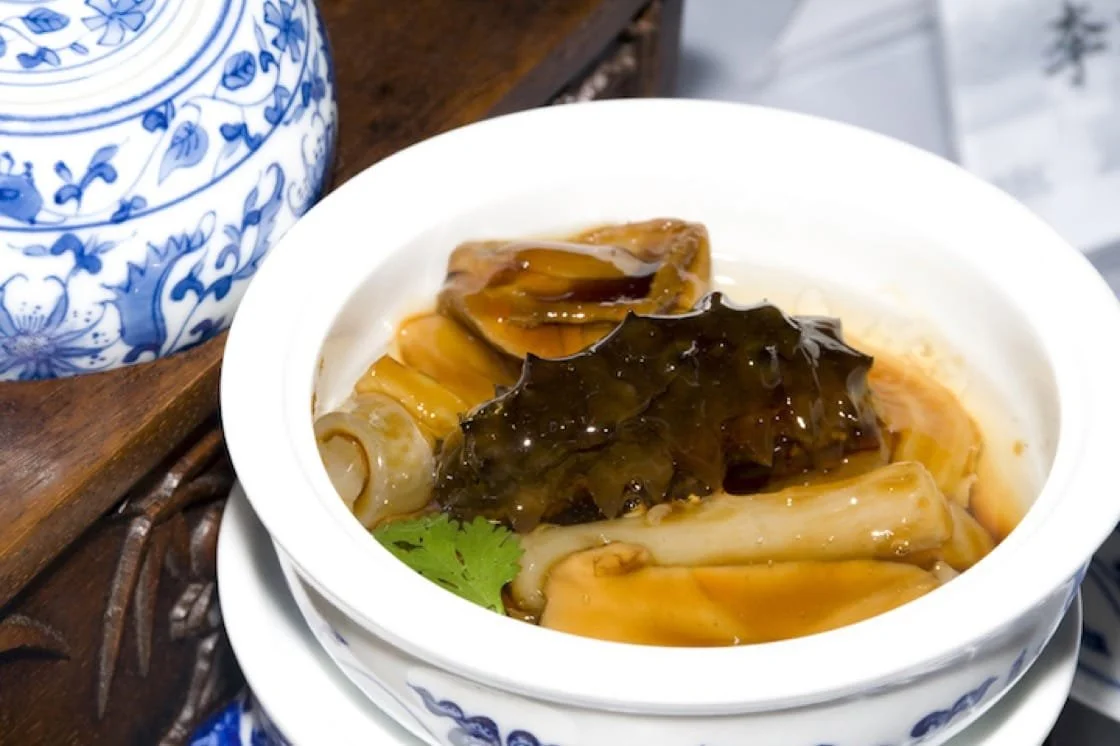
The sea cucumber has been a high-demand item in Southern and Eastern Asia’s seafood market for thousands of years, dating back to the 3rd century CE. It is known as a delicacy in countries such as Indonesia, the Philippines, Malaysia, and China due to its health benefits, rarity, and price. The small marine animals are seen as a symbol of status and wealth. However, the creatures are heavily overfished, and due to bans across the world, hundreds of millions of dollars are entering the black market annually, and the demand is not slowing.
The overfishing of the creature heavily impacts the oceanic ecosystem; wildlife trafficking brings along global complications regarding policy and trade across borders. In the piece The Illicit World of Sea Cucumbers, Tom Brown and Pragathi Ravi uncover that the market behind the sea cucumber contributes to larger criminal networks. Smugglers are using the sea cucumber, including threatened species, as payment for fentanyl trafficking operations across oceans. According to Brown and Ravi, illegal fishing continues, as seizures at the U.S. border have doubled since 2018, and hundreds of kilograms have been seized in South Asia. As the illegal trade is brought across borders, independent countries face challenges in navigating this issue independently.

Over time, sanctions regarding the fishing of these endangered species have made progress in limiting this issue. In November of 2025, delegates gathered for the Convention in International Trade in Endangered Species (CITES), adopting global protections for the Golden Sandfish Sea cucumber; however, proposals for six other species were rejected.
Countries such as Oman, Mexico, Australia, and India have placed strict restrictions or complete bans on harvesting. Aquaculture is on the rise to decrease the demand for illegal fishing, although the struggle to meet the demand leaves a high need for it, despite efforts to eliminate the issue. In addition, scientists have used X-Ray CT scanners to detect attempted wildlife trafficking of endangered luxury goods such as sea cucumbers, seahorses, and shark fins. The AI technology embedded in the scanners has been trained to detect these species and, through studies, has proven to be 92% accurate overall, averaged across the detection of 3 species. Despite efforts to limit trafficking and protect the ecosystem, 7 species of the animal remain endangered, while nine remain vulnerable. As efforts continue, scientists, politicians, and activists around the world are working for a sustainable future and ethical fishing practices. Although the issue is far from solved, humans are on the way and working towards it every day.
Sustainable use of our oceans is a complex challenge that calls for more than one solution. The UN FAO found that 11-26 million metric tons of illegally caught fish are in the market every year. If this continues, further detriment to the oceanic ecosystem will occur; coral reefs will suffer, along with other species that depend on the sea cucumber, such as pearlfish and emperor shrimp. Sustainable Development Goal 14 is an ongoing fight. In the end, protecting our oceans means that conservation is a shared global responsibility, a responsibility that calls for countries to work together to preserve these ecosystems for future generations.
Sources:
Brown, Tom, and Pragathi Ravi. “The Illicit World of Sea Cucumbers: How a Rare Delicacy in Asia Drives Crime Oceans Away.” Foreign Policy, 2 Oct. 2026, https://foreignpolicy.com/2026/10/02/sea-cucumbers-illicit-trade-crime-china-mexico-japan/.
Convention on International Trade in Endangered Species of Wild Fauna and Flora. Sea Cucumbers (Stichopodidae and Holothuriidae spp.). 22 May 2026, https://cites.org/sites/default/files/documents/AC/34/agenda/E-AC34-40.pdf.
Egan, Robert. “AI Spots Smuggled Seahorses, Shark Fins and Sea Cucumbers with 92% Accuracy.” Phys.org, 7 June 2026, https://phys.org/news/2026-06-ai-smuggled-seahorses-shark-fins.html.
“Illegal Fishing Thrives Out of Sight. Transparency Brings It into View.” Global Fishing Watch, 5 June 2026, https://globalfishingwatch.org/statement/illegal-fishing-thrives-out-of-sight-transparency-brings-it-into-view/.
“THE 17 GOALS.” United Nations Department of Economic and Social Affairs, https://sdgs.un.org/goals.
Pangestuti, Ratih, and Arifin, Zainal. “Medicinal and Health Benefit Effects of Functional Sea Cucumbers,” PubMed Central, 17 July, 2017
Cover photo Credit: “Sea Cucumbers are Being Eaten to Death Due to Chinese Demand,” National Geographic, https://www.nationalgeographic.com/animals/article/sea-cucumber-eaten-to-death
