NGOs at the Front Lines: Why Policy Alone Can’t End Modern-Day Slavery - By: Sierra Bulk
My first introduction to human trafficking was at fourteen, when I discovered the book Sold by Patricia McCormick. It told the story of Lakshmi, a girl my age from Nepal, who was sold into sexual slavery in India. The only word to describe how I felt after finishing the book was horrified. It was fictional but heavily based on truth.
According to the United Nations International Labor Organization, an estimated 30 to 50 million people are currently enslaved and trafficked worldwide, generating about $230 billion in annual profits. The story of Lakshmi stayed with me, and as I grew older, my passion to find ways to fight this humanitarian crisis deepened.
I focused on what had been done at domestic and international government levels. I assumed a crisis of this scale would have received much political attention. I was wrong. Many, even in my community in the United States, were shocked when I shared the statistics of modern-day slavery.
Despite decades of international dialogue and milestone agreements like the United Nations Protocol on Human Trafficking in 2000, ratified by over 180 countries, real-world progress has been limited. The prevalence of human trafficking has increased, not decreased.
I looked deeper to understand why and found that many reasons for stalled change stem from economic crises, political instability, and environmental changes. Governments in countries where trafficking is prevalent are constrained by limited resources and have struggled to turn international commitments into real action. I was frustrated as this crisis grows bigger every year and nations struggle to act.
That's when I realized I wasn’t looking at what was actually happening on the ground. I shifted my focus from top-down government institutions to bottom-up NGOs. I found many non-governmental organizations in countries worldwide. Lacking much media coverage, they were the ones doing the real work to fight modern-day slavery.
NGOs provide safe houses for survivors, take legal action against perpetrators, lobby in Congress, and advocate for education about this crisis. Change was happening; I just couldn't see it from where I was. I found countless grassroots organizations working hard to end trafficking.
Take Atlas Free, for example, a successful NGO based in the United States but active in over 60 countries. Their focus is connecting independent local survivor services in each country to streamline them into a single system that supports anti-trafficking efforts.
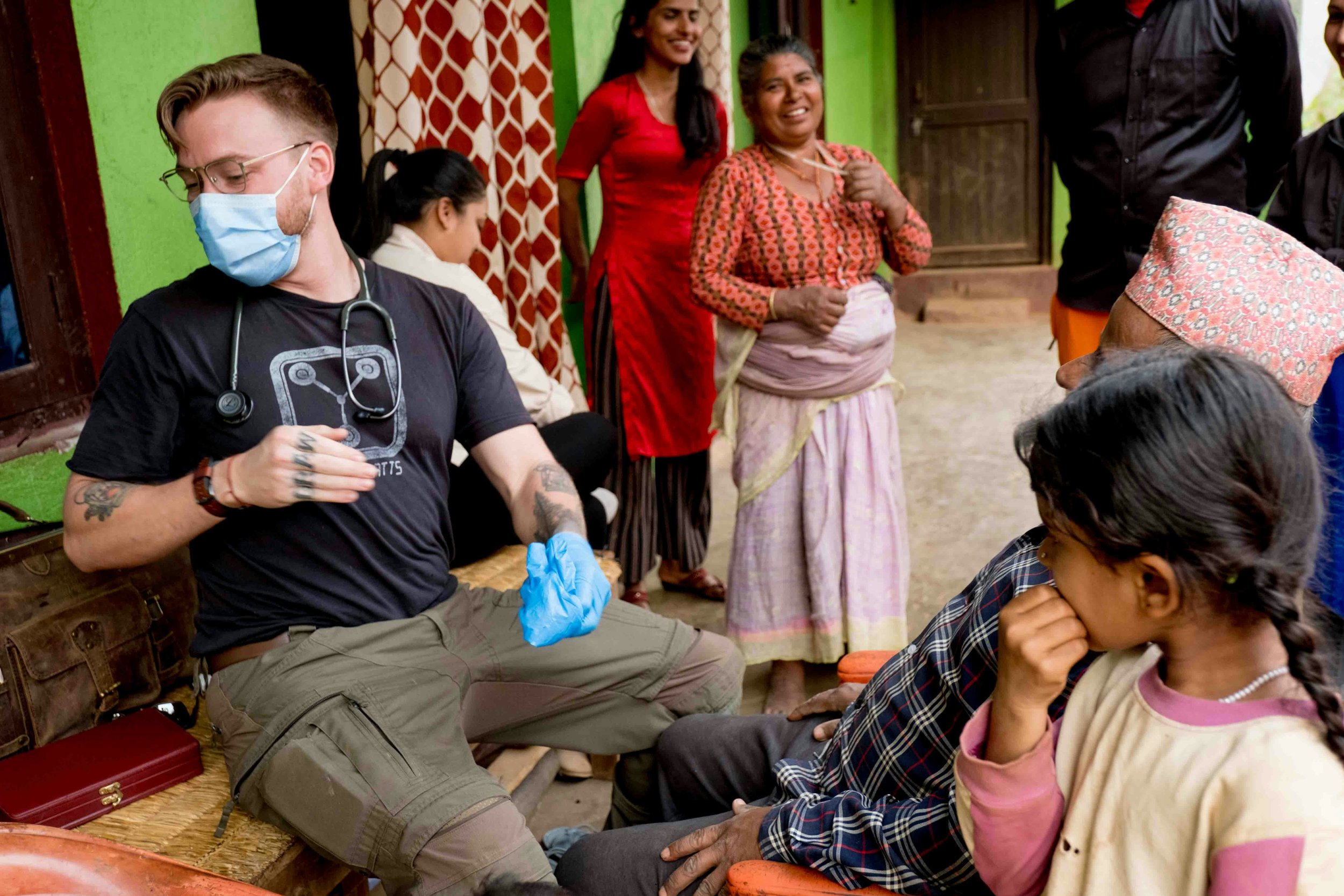
NGOs have become indispensable actors in this fight. As governmental responses falter, NGOs are redefining what effective on-the-ground responses look like. Their grassroots leadership shows how possible it is to end this humanitarian crisis through coordinated global action, ensuring this isn’t the end of the story for the millions enslaved today.
Resources:
https://www.unodc.org/unodc/en/human-trafficking/global-report-on-trafficking-in-persons.html
https://www.unodc.org/unodc/en/human-trafficking/protocol.html