
How the Trump Administration’s Cuts to Refugee Programs Harm Our Communities — And Why Supporting Local Agencies Matters
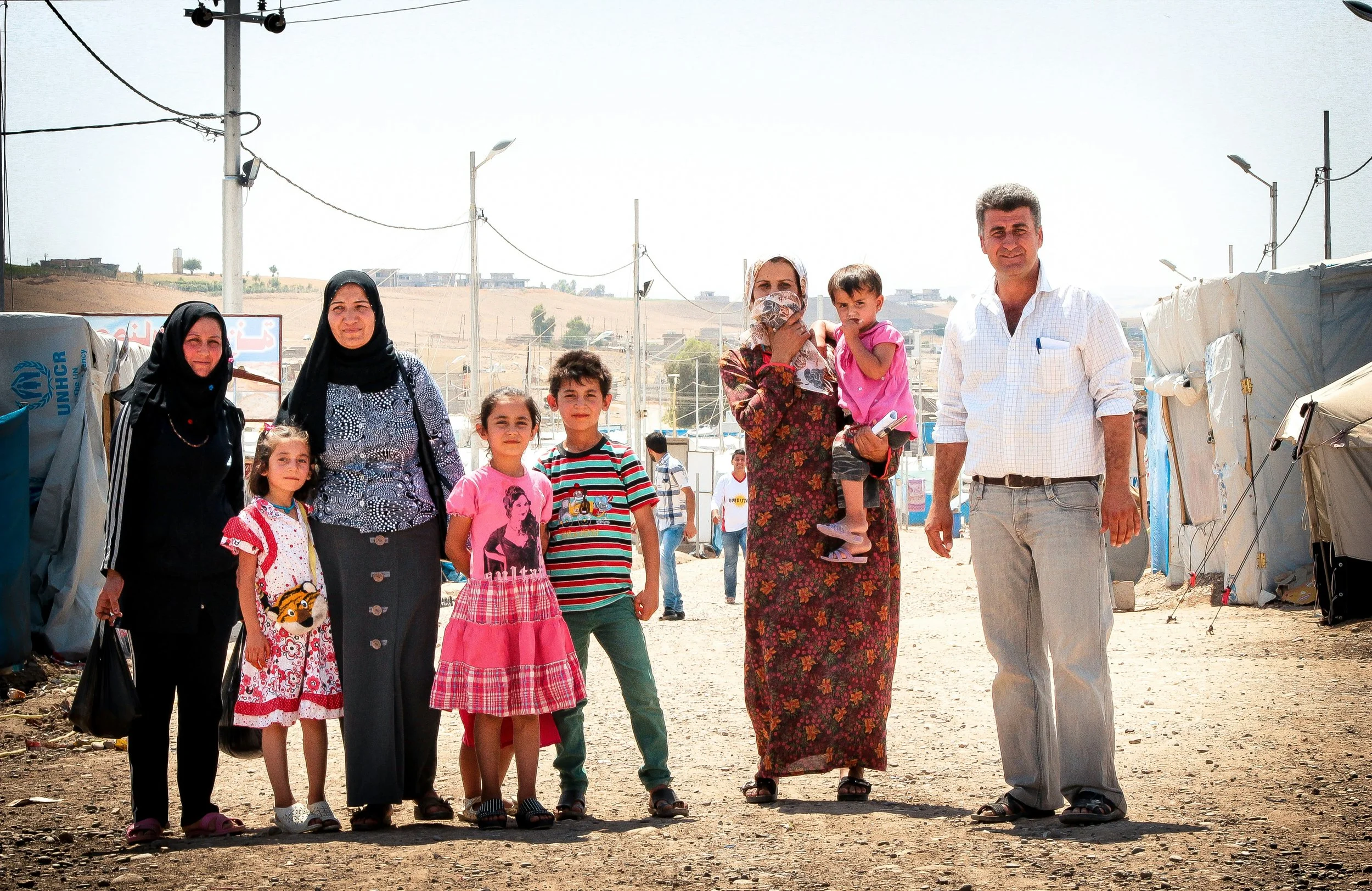
Refugee Assistance — A Fresh Perspective
I have seen firsthand the impactful work of refugee resettlement agencies in the US, essential but frequently overlooked organizations that work tirelessly to support people fleeing crises abroad. Growing up in Colorado, I rarely encountered refugees directly; my understanding came mostly from news stories about people escaping war or famine. My perspective changed when I went abroad for my undergraduate degree in France. While volunteering at a soup kitchen in Paris, I learned that over 90% of those we served had migrated from the Middle East or parts of North and West Africa. As I spoke with people I served, I listened to their stories, and I began to grasp the harsh realities that millions face when seeking refuge for themselves and their families. This experience made me realize that similar struggles exist in the United States, even if I hadn’t previously seen them up close.
The History of Refugee Assistance in the United States
In the United States, supporting refugees has been a bipartisan goal in humanitarian policy over the last 40 years. The landmark Refugee Act of 1980 allowed the US to admit millions of refugees seeking a better life in the States. The US has been welcoming refugees, reuniting families, and allowing newcomers to find safety and a means to flourish.
What changes to refugee assistance did the Trump Administration invoke?
In early 2025, that all shifted. On January 20th, the Trump Administration swiftly ended the US Refugee Admissions Program (USRAP). Just days later, resettlement agencies across the country were ordered to stop their work. More than 20,000 refugees were left without support, access to healthcare, legal protection, or even basic housing. Thousands found themselves in limbo, their path to integration abruptly cut off. Soon after, new travel bans targeted countries facing acute humanitarian crises, like Afghanistan, Somalia, and Sudan. As the United States' commitment to refugee support continued to falter, many families were forced to return to unsafe countries or became stranded in third-party nations, often left with minimal protection or support.
How can Coloradans help refugees locally?
When I returned to Colorado, I felt compelled to find ways to support my local refugee agencies. That’s how I discovered the African Community Center (ACC) in Denver, a nonprofit dedicated to helping refugees resettle and adjust to life in Colorado. I joined their Thursday English classes as a volunteer and was struck by the sense of community they cultivated. Volunteering there made me realize that supporting local migrant and refugee communities doesn’t just help those in need; it also benefits our Colorado community.
Refugees strengthen our societies by bringing new cultures, languages, and perspectives. Through my involvement with ACC and connections with refugees in Denver, I’ve developed a deeper feeling of belonging to both my community and the wider world. As political attention to the refugee crisis continues to degrade under the current administration, community action is more crucial than ever. I encourage fellow Coloradans to connect with the ACC in Denver, whether by volunteering or donating, or to seek out other local refugee organizations and make a meaningful difference.
To learn more about how you can support the ACC’s mission, visit their website at www.acc-den.org/.
