
What Happens When Foreign Aid Disappears?
Earlier this year, I had the opportunity to travel through Africa, Asia, and Europe. Being there completely changed the way I look at foreign aid. Before traveling, it was easy to hear millions or billions of dollars being discussed and see it as another government expense. After being there, I don't see it that way anymore.
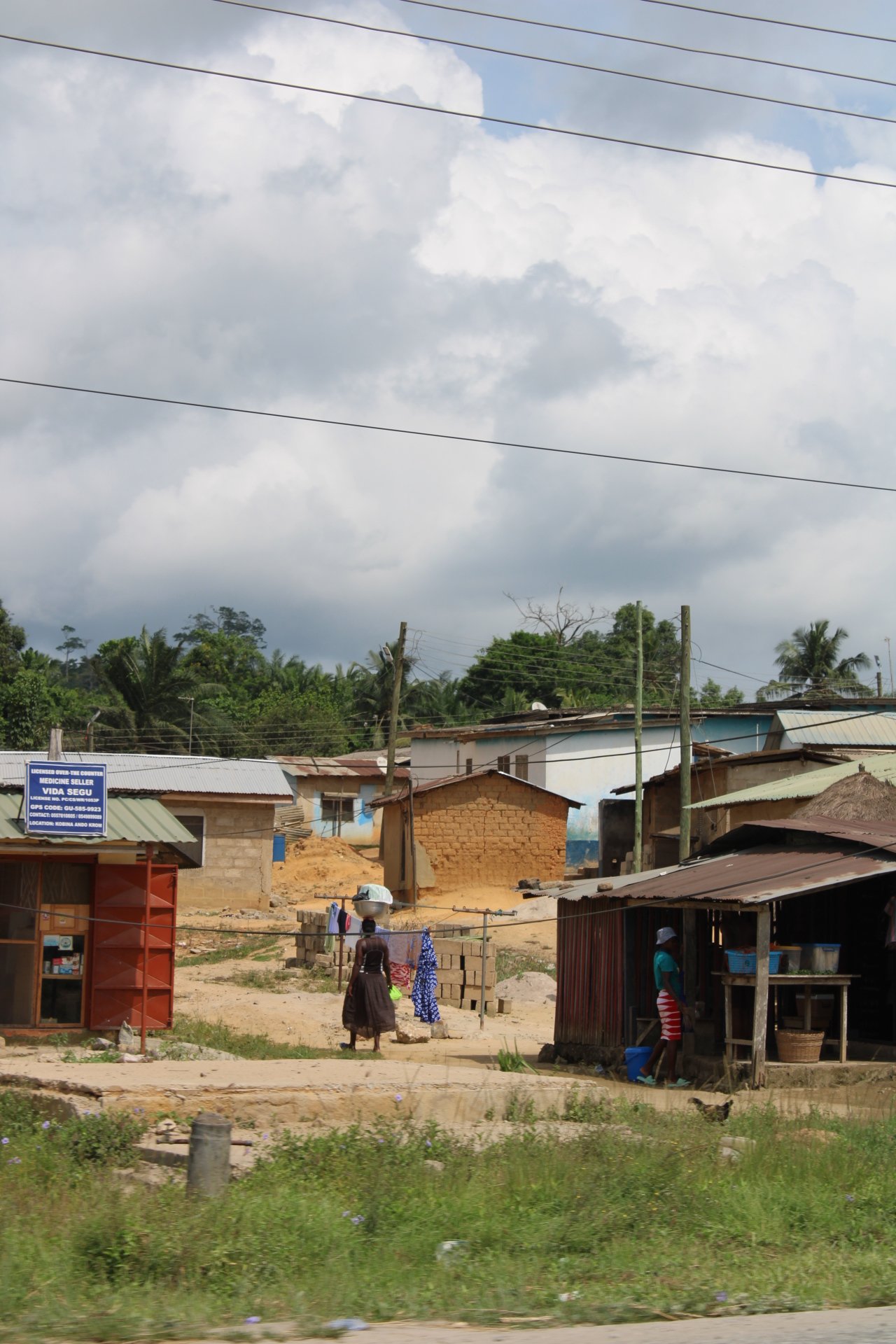
I saw communities where access to healthcare, clean water, food, and other basic resources is not something everyone can count on. I met people, talked to families, and saw firsthand that decisions being made thousands of miles away have very real consequences for people on the ground. That is why cuts to foreign aid matter.
Africa is already facing a major problem when it comes to health funding. According to Africa CDC, official development assistance to Africa fell by 70% between 2021 and 2025. At the same time, public health emergencies across the continent increased from 152 in 2022 to 213 in 2024, a 41% increase.
These numbers matter because foreign aid helps pay for the systems used to stop outbreaks before they spread. It pays for disease tracking, testing, vaccines, healthcare workers, medicine, clean water systems, and emergency response teams. When that funding disappears, the diseases don't disappear with it.
The World Health Organization found that cuts to development assistance disrupted health emergency preparedness and response in 70% of the countries it surveyed and public health surveillance in 66%. More than half of the malaria-endemic countries surveyed reported moderate or severe disruptions to malaria services. By April 2025, more than 40% of planned insecticide-treated mosquito net campaigns, meant to reach 425 million people, had been delayed or were at risk.
These programs help health officials detect outbreaks, understand where they're spreading, treat affected people, and stop further spread. Clinics still need supplies. Health workers still need to be paid. Diseases still need to be tracked. Families facing hunger, displacement, and conflict still need help. Cutting the funding does not get rid of any of these problems. It takes resources away from the people trying to solve them.
And these effects do not stop at one country's borders. We live in a world where millions of people travel between countries every day. Diseases do not care about borders. An outbreak that starts in one country can spread into another, which is why countries need to work together to track diseases and respond to them quickly.
In 2026, an Ebola outbreak in the Democratic Republic of the Congo spread across the border into Uganda. WHO has stressed the importance of countries working together, tracking cases, and being prepared to stop the disease from spreading further.
Helping countries find and control outbreaks where they begin helps protect people everywhere. Cutting funding for disease tracking, laboratories, healthcare systems, and emergency response does not make Americans safer. It makes the world less prepared when the next outbreak happens.
Traveling through Africa, Asia, and Europe made this issue much less abstract to me. Foreign aid debates taking place in Washington can sound like arguments over numbers on a spreadsheet. But on the ground, those numbers represent medicine, food, healthcare workers, clean water, vaccines, disease testing, and whether an organization can continue operating at all.
Foreign aid is not just money leaving the United States. It helps fight disease, respond to humanitarian crises, and stop problems from turning into much bigger ones.
We are already seeing what happens when those resources disappear. Foreign aid cuts do not make disease, hunger, displacement, or conflict disappear. They make it harder to fight them.
Sources:
Africa Centres for Disease Control and Prevention (Africa CDC). “Africa’s Health Financing in a New Era.” April 2025.
https://africacdc.org/news-item/africas-health-financing-in-a-new-era-april-2025/
World Health Organization. “Countries Are Already Experiencing Significant Health System Disruptions.” April 10, 2025.
https://www.who.int/news/item/10-04-2025-countries-are-already-experiencing-significant-health-system-disruptions---who
World Health Organization. “Malaria Progress in Jeopardy Amid Foreign Aid Cuts.” April 11, 2025.
https://www.who.int/news/item/11-04-2025-malaria-progress-in-jeopardy-amid-foreign-aid-cuts
World Health Organization. “Ebola Virus Disease – Democratic Republic of the Congo and Uganda.” 2026.
https://www.who.int/emergencies/disease-outbreak-news/item/2026-DON606
