The Fragile Promise of Homecoming
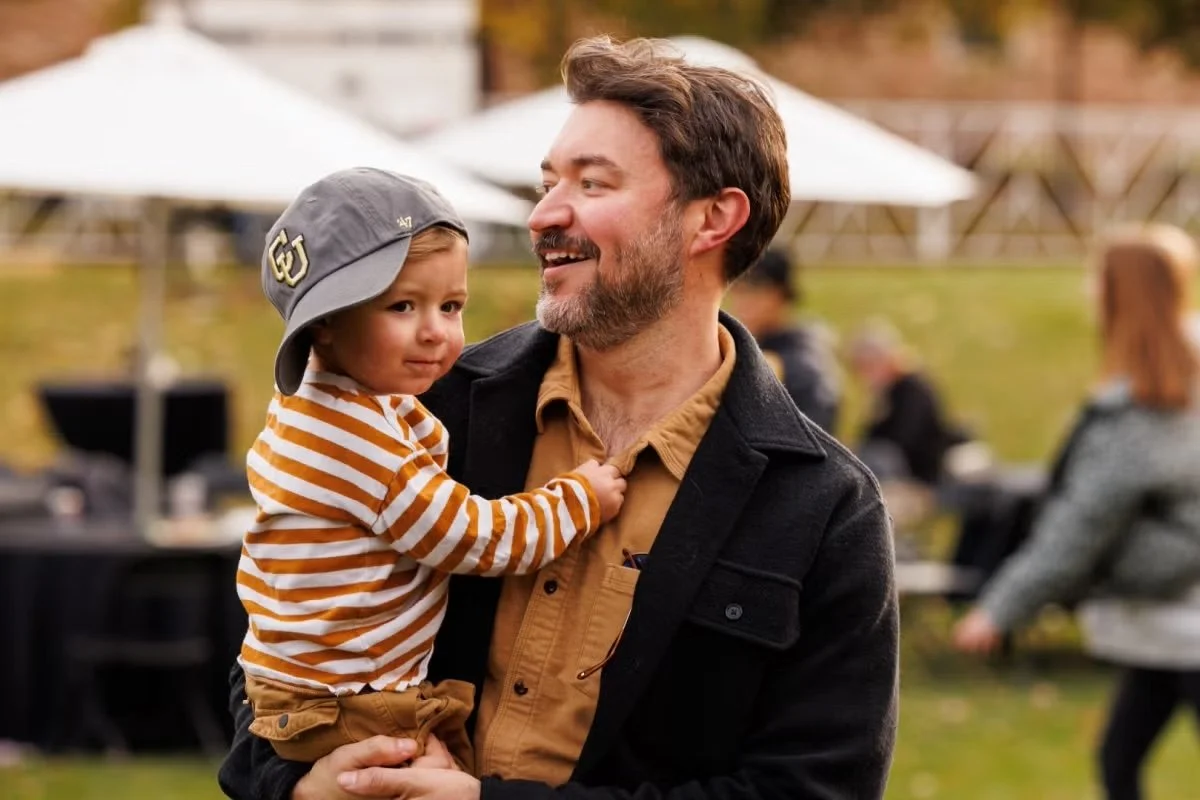
Every fall, Boulder takes on the familiar colors of homecoming. There are black-and-gold overalls, face tattoos, cheerleaders, alumni in vintage Buffs gear, sizzling hamburgers on grills, and the energy of a town preparing to gather around a shared story. CU Boulder’s Homecoming Weekend this year runs from September 30 through October 3, bringing together students, alumni, families, faculty, staff, and community members for a Culture Crawl, the Pearl Street Stampede and pep rally, tailgating, performances, and the football game at Folsom Field. The word itself—HOMECOMING—holds an uncomplicated warmth. It suggests return. Return of people reconnecting to a place that formed them, friendships resumed, traditions repeated, and a collective sense that there is somewhere one is known. But as our community prepares to celebrate homecoming, it is worth pausing over a question that reaches far beyond a university weekend. What does homecoming mean for people whose homes are changing, threatened, or no longer safe to return to?

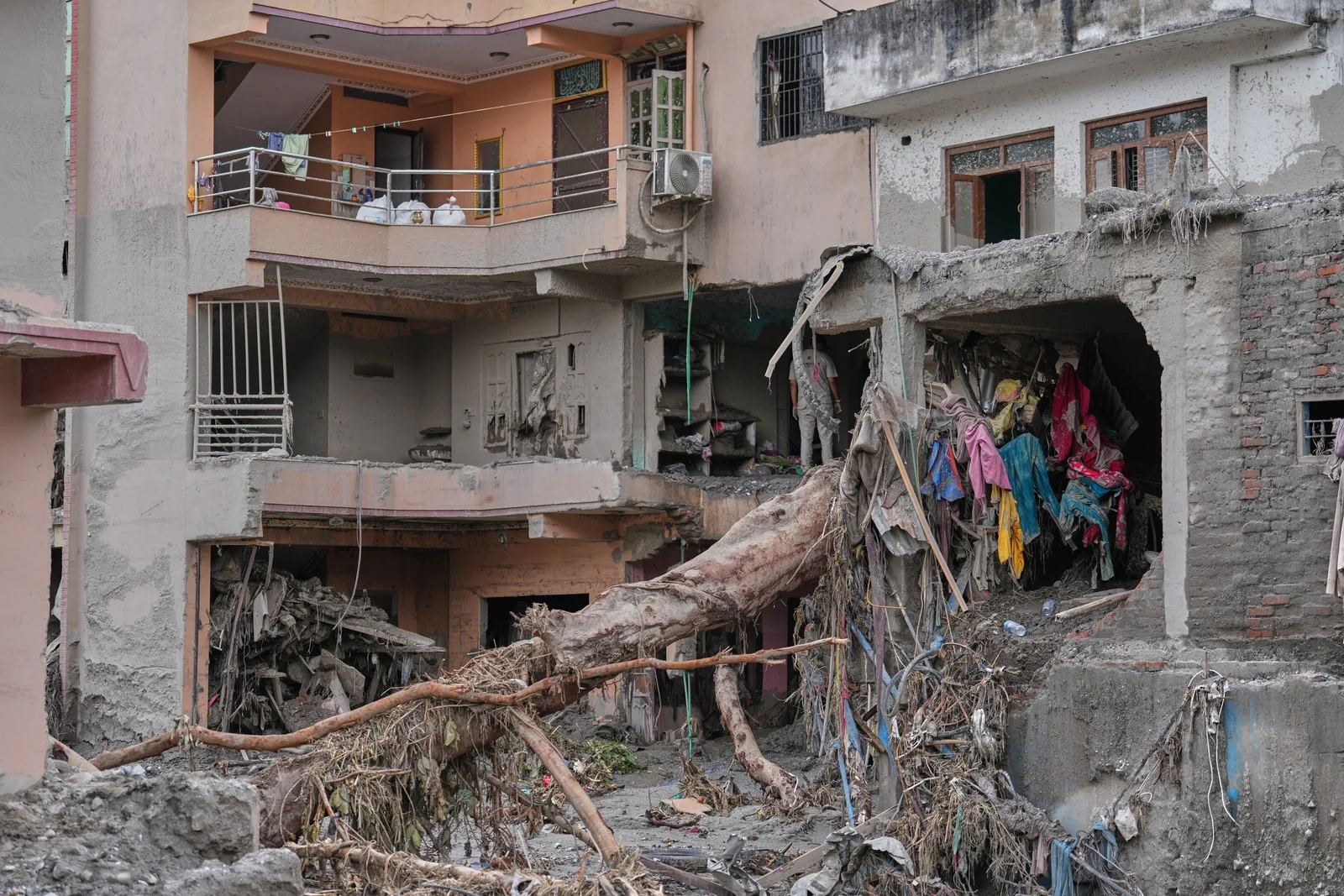
For many communities around the world, home is not simply a place of reunion. It is a place increasingly shaped by climate disruption. In Nepal, a country whose mountain landscapes are inseparable from community life, livelihoods, agriculture, tourism, culture, and identity, rapidly warming Himalayan conditions are increasing the risks posed by glacier melt, intense rainfall, landslides, and glacial lake outburst floods. According to the United Nations Development Program’s climate-adaptation work in Nepal, Nepal has experienced 26 glacial lake outburst floods since the 1970s, and recent assessments identify multiple high-risk lakes whose failure could endanger communities, infrastructure, farms, and hydropower systems far downstream. These are not abstract risks. When a flood washes away a bridge, road, school, field, or home, it can fracture the everyday pathways that allow a community to remain rooted. Families may be displaced not because they wish to leave, but because the physical foundations of home have become unstable. Across the Himalayan region, climate-related glacial floods have already caused devastating loss of life and damage, while the resources available for early-warning systems and adaptation remain far below what is needed. Elsewhere, from low-lying islands to drought-affected agricultural regions and neighborhoods exposed to increasingly severe storms or wildfires, climate change is altering the basic human expectation that home will still be there tomorrow.
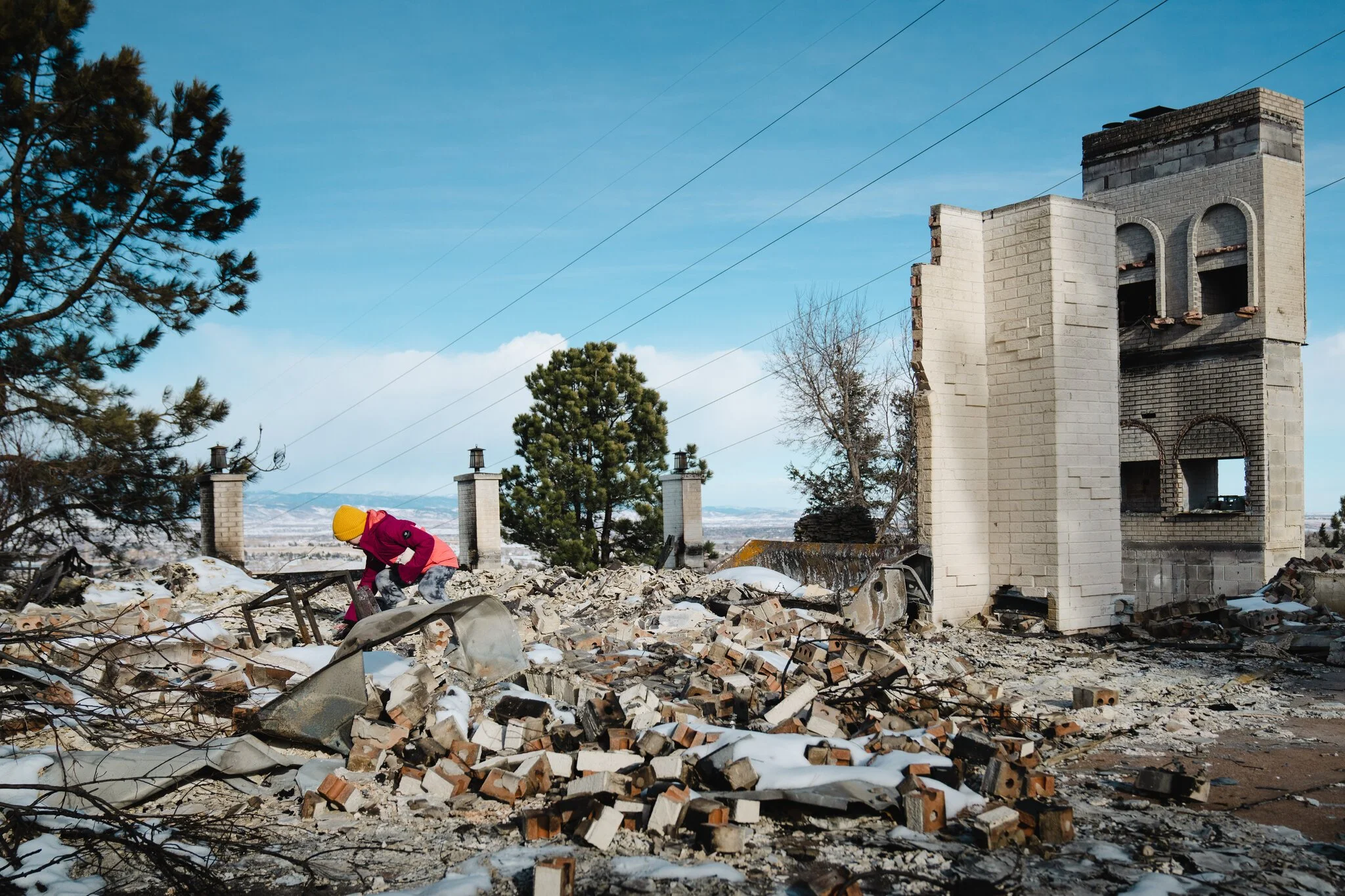
Boulder knows, in its own way, that home is not guaranteed. The Marshall Fire showed how quickly familiar streets, possessions, landscapes, and routines can disappear, leaving people to mourn what was lost while facing the complex work of rebuilding. That experience does not make our circumstances identical to those of people in Nepal or communities confronting climate displacement around the world. It should make us more attentive to them. It gives us a small window into the truth that disasters do not end when the flames go out, floodwaters recede, or news coverage moves on. Recovery is long. It involves housing, insurance, schools, mental health, livelihoods, public infrastructure, cultural continuity, and whether people have the resources to stay connected to the places and people they love. Globally, the climate crisis is increasingly intertwined with forced displacement. UNHCR’s “No Escape” report found that people displaced by conflict and persecution are often exposed to escalating climate threats, and that lasting solutions require that climate adaptation, disaster planning, and protections for displaced people be designed together.
That is where a UN lens belongs in a conversation about CU Boulder’s Homecoming. The United Nations’ Sustainable Development Goals ask the world to confront climate action, poverty, inequality, health, resilient communities, and peace as connected challenges, not separate ones. A true response to climate displacement requires more than emergency relief after catastrophe. It requires investments in early warning, locally led adaptation, climate-resilient housing and infrastructure, education, public health, and participation of the people most affected. In Nepal, UNDP’s project overviewdescribes how UNDP and partners are supporting a major climate-adaptation effort to reduce the risk of glacial lake outburst floods and benefit more than 2.3 million people. The scale of the need is enormous, but the principle is straightforward. Communities should not have to choose between remaining in danger and leaving behind the homes, histories, and relationships that give life meaning.
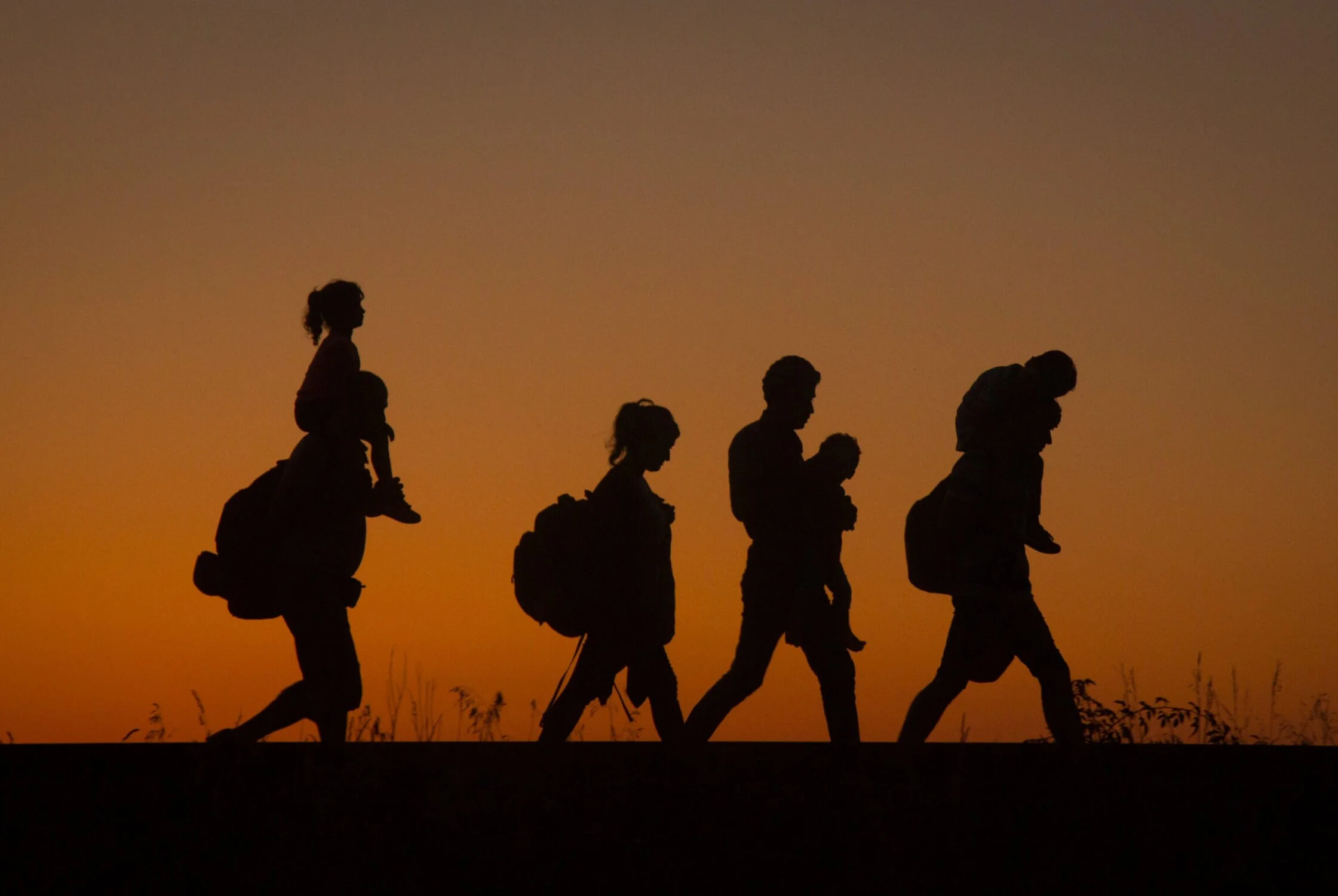
Homecoming can therefore be more than nostalgia. It can be an invitation to consider the kind of communities we want to create and protect. For those of us celebrating in Boulder, that may mean supporting serious climate policy, learning from communities on the front lines, advocating for climate finance and disaster preparedness, and building local resilience before the next emergency arrives. It may mean remembering that welcoming a displaced family is not only a response to a distant crisis; it is one way of honoring the universal human need for home. It may mean recognizing that the strongest communities are not those that assume disruption will never come, but those that prepare together, recover together, and make space for people rebuilding their lives.
This fall, the black-and-gold colors, the familiar chants, and the reunion of generations will rightly bring joy to Boulder. Celebration has its place. Shared rituals give people a way to return to a campus that shaped them and to a sense of belonging. They remind us that people need connection, memory, and places that feel like theirs. Yet perhaps the most important question behind homecoming is not simply, “Who is returning?” It is, “Who is still able to return, and what will it take to ensure that more people can?” In a climate-changed world, protecting home is no longer only a private concern or a local responsibility. It is a global commitment. And in Boulder, as in Nepal and communities everywhere, that commitment is reflected in the choices we make about whose safety and future we are willing to protect.