
A Bunch of Cilantro Walks Into a Fridge…
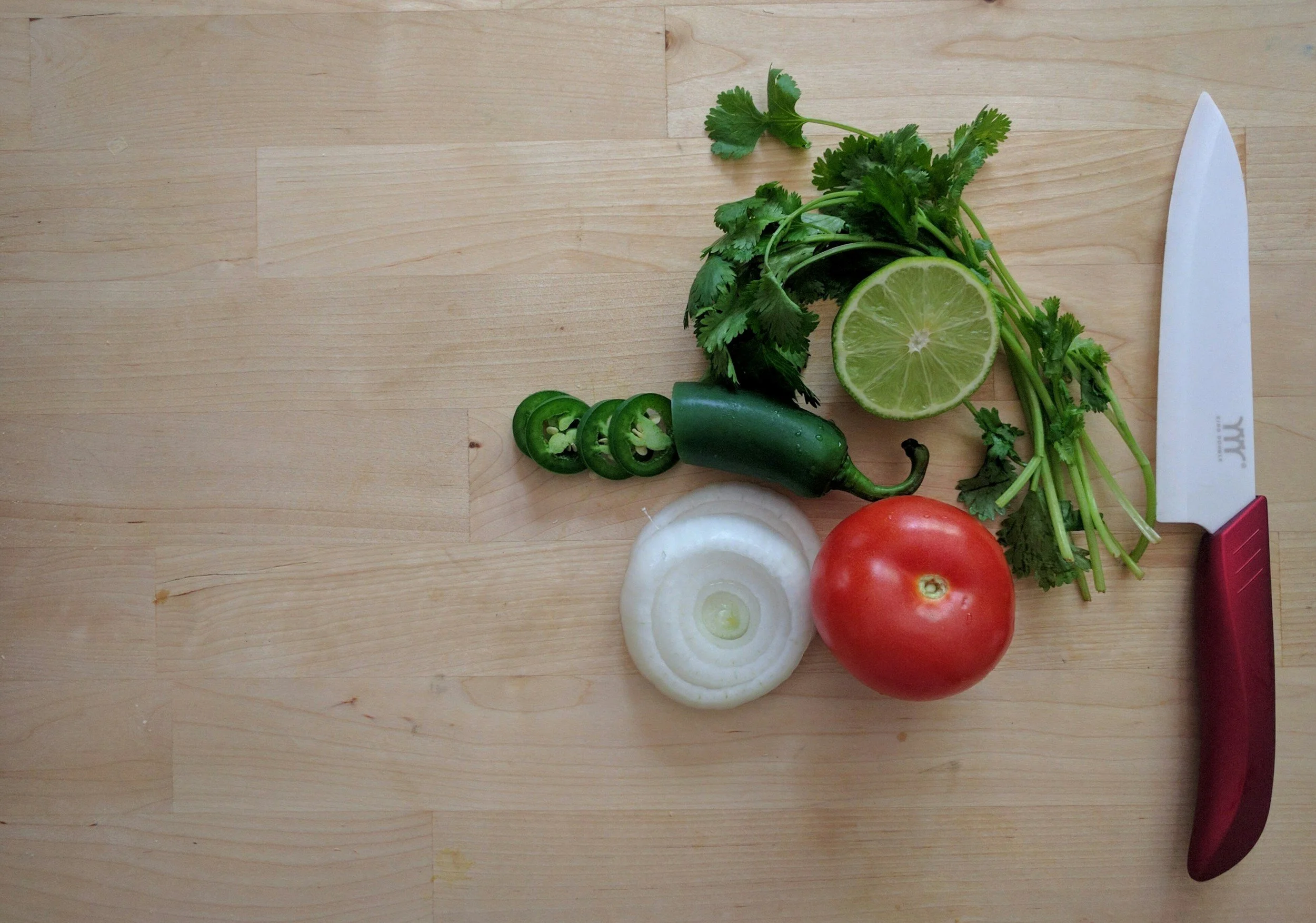
A bunch of cilantro enters our refrigerator with two possible futures.
In one, it appears in a poke bowl, taco salad, and batch of cilantro-lime rice. In the other, it gets pushed behind something, turns into swamp grass, and is rediscovered during an unpleasant refrigerator cleanout.
We are trying for the first.
Our highly sophisticated system begins with three dinners and about 30 minutes.
Once a week, we choose three dinners for the next several days. Those meals usually produce enough leftovers for another three dinners, leaving us one flexible night to finish what remains or begin the next round of meals.
The plan is intentionally loose. Sometimes our teenager eats with us; sometimes she doesn't. Schedules change. Appetites change. Tuesday occasionally refuses to cooperate with anything we decided on Sunday.
That flexibility is part of why the system works.
We generally shop for groceries every six days or so. That rhythm helps us use produce while it is still fresh, ripe, and appealing—not after it has entered the sad, slippery stage of its refrigerator residency.
We have also learned to choose meals that taste completely different but share ingredients. Poke bowls and taco salads, for example, can use some of the same lettuce, vegetables, rice, and toppings without feeling like the same dinner.
We freeze useful components, too. A batch of cilantro-lime rice may be more than we need tonight, but the extra portion can become the beginning of burritos or taco salads a few weeks from now. Future us is generally quite pleased with past us when dinner already has a head start.
Why this small habit matters
September 29 is the International Day of Awareness of Food Loss and Waste—an opportunity to consider how the food we grow, buy, prepare, share, and sometimes discard connects to a much larger global system.
Nearly one-fifth of the food available to consumers worldwide is wasted, with households accounting for approximately 60% of that waste. Food is also lost across farms, supply chains, stores, restaurants, and institutions.
But what happens in our kitchens matters.
Using more of the food we already have can stretch a grocery budget, conserve the water and energy used to produce and transport our food, and reduce what goes to landfills. It can also help us become more thoughtful about our relationship with food—without turning dinner into a guilt exercise.
Reducing food waste is part of Sustainable Development Goal 12: Responsible Consumption and Production, which includes a global target to cut consumer food waste in half by 2030. It also connects with efforts to reduce hunger, protect natural resources, and address climate change.
Those are enormous goals.
A weekly meal plan will not accomplish them by itself. But it is a place to begin.
Try our three-dinner experiment
Before your next grocery trip:
Choose three dinners you would genuinely enjoy eating.
Look for two or three ingredients the meals can share.
Decide when you are likely to eat the leftovers.
Freeze one extra ingredient or meal component before it gets forgotten.
That is it.
Your version may involve planning only one dinner. It may mean creating an “Eat Me First” shelf in the refrigerator, packing leftovers for lunch, or checking the kitchen before ordering takeout. Households, schedules, food traditions, budgets, and access needs differ.
Find one practice that works in your life.
Make the action a little bigger
Small actions become more powerful when we share them. Invite a friend or neighbor to one of your planned meals. Swap ideas for using an ingredient that frequently goes unfinished. Teach a child how leftovers can become something new rather than a reluctant repeat of last night’s dinner.
Our meal-planning habit has given us opportunities to talk with our children about food waste, grocery costs, and environmental responsibility. We are not just telling them to care. We are practicing one way of responding with them. They get to see that meaningful action does not have to be dramatic.
What works in your home?
Do you have a meal-planning habit, freezer strategy, leftover transformation, family recipe, or refrigerator rule that helps food get eaten instead of discarded?
Share it in the comments.
Your ordinary practice may be exactly the idea another household needs. If you try the three-dinner experiment, come back and tell us what happened—including what you changed to make it work for you.
Thinking globally can begin by opening the refrigerator, making a quick plan, and giving that cilantro another chance.
